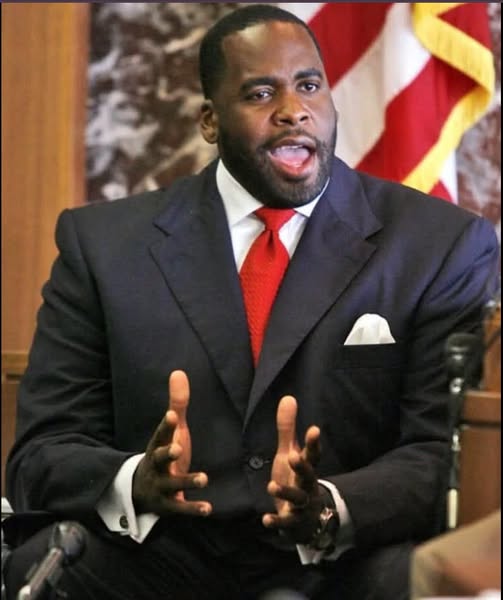
Kwame M. Kilpatrick, former Michigan State Representative and Mayor of Detroit, has died, marking the end of a complex and widely discussed chapter in the city’s political history. His passing has prompted reflection across Detroit and beyond, as many consider both his early promise and the controversies that later defined much of his public life.
Kilpatrick rose to prominence in Michigan politics at a young age, serving in the Michigan House of Representatives before being elected Mayor of Detroit in 2001. At the time, he was one of the youngest mayors of a major American city and was seen by many as a dynamic and charismatic leader with the potential to bring new energy and direction to Detroit.
 During his tenure as mayor, Kilpatrick focused on urban development, economic growth, and efforts to revitalize the city. His leadership initially generated optimism among residents who hoped for meaningful change and renewed progress. However, his career was later overshadowed by legal challenges and public controversies that ultimately led to his resignation from office. These events significantly impacted his legacy and shaped how he is remembered in the broader political landscape.
Despite the complexities surrounding his life and career, Kilpatrick remains a notable figure in Detroit’s history. His time in public service left a lasting impression on the city and its residents. As news of his passing spreads, many are reflecting on his life, his contributions, and the lessons drawn from his time in office. Details regarding memorial services are expected to be shared by his family in due course.
About the Author
